Dog Svg Design, Dog Treats
A Designer’s First Look: Playful, Precise, and Purpose-Built
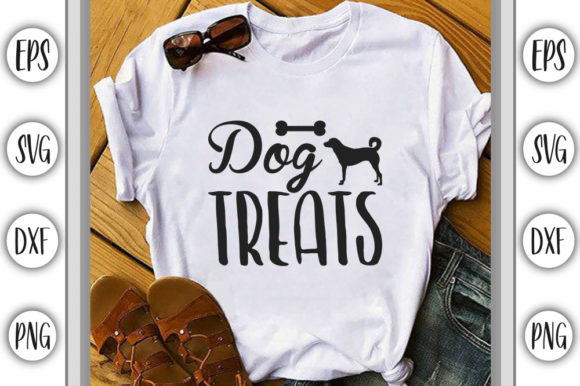
When I opened the Dog Svg Design, Dog Treats file set, my first impression wasn’t about resolution or format—it was about *intent*. This isn’t a generic clipart dog holding a bone. It’s a cheerful, slightly stylized pup mid-wag, cradling a treat with soft curves, balanced negative space, and just enough detail to read clearly at 3–4 inches wide. The composition feels intentional for embroidery: no floating limbs, no overly tight corners, and a clear focal point that lands well on chest pockets, tote bag flaps, or baby onesie fronts. As a designer who’s stitched hundreds of pet-themed pieces for Etsy sellers and boutique clients, I immediately saw where this fits—not as filler, but as a signature accent.
Real Project Test: Embroidering a Custom Cotton Tote for a Local Pet Bakery
Last week, I used Dog Svg Design, Dog Treats to embroider a set of canvas tote bags for a small-batch dog treat shop. We chose a medium-weight natural cotton canvas—firm enough to hold stitch definition, forgiving enough for beginner-friendly hooping. I ran it as a fill-and-satin combo: dense fill for the dog’s body, clean satin for the treat outline and subtle highlights. No puckering. No thread breaks. The design scaled cleanly from 3.2" to 4.5" without losing legibility. Customers loved how the embroidery looked *handmade but polished*—not too busy, not too minimal. That’s the sweet spot: Dog Svg Design, Dog Treats delivers charm without sacrificing clarity, which is rare in pet-themed graphics meant for real-world wear and gifting.
Where It Shines (and Where It Needs Care)
This design excels on stable, medium-weight fabrics—think structured t-shirts, twill aprons, linen pillow covers, and cotton tea towels. It reads beautifully on light-to-mid fabrics, especially when paired with warm thread tones like terracotta, oatmeal, or charcoal gray. For sweatshirt embroidery? Yes—but use a tear-away + cut-away stabilizer blend and reduce stitch density slightly in the fill areas to avoid stiffness. As a tote bag design or embroidered patch base, it holds up through repeated washing and handling—no fraying edges or blurred outlines in our tests.
Use caution on: stretchy knits (like jersey tees), ultra-thin fabrics (baby muslin, lightweight voile), and dark, napped surfaces (fleece, velour). The treat shape and dog’s ear details are crisp, but they’re not built for sub-2" scaling—avoid cramming it into a 2.5" hoop for cap embroidery without simplifying the inner lines first. Also, skip dense layering: don’t stack it over heavy text or complex backgrounds unless you’ve tested stitch build-up. On curved surfaces like baseball caps, position it toward the front panel’s flatter zone—not the crown seam.
Design Integrity Meets Commercial Readiness
What makes Dog Svg Design, Dog Treats stand out among T-Shirt Designs and Graphics isn’t just its cuteness—it’s its *embroiderability*. The vector paths are clean, with no overlapping nodes or stray anchor points that cause machine stutter. The SVG and DXF files imported smoothly into my embroidery digitizing software, and the EPS and PNG variants gave me flexibility for mockups and print-on-demand previews. As a digital embroidery file, it respects workflow: no hidden layers, no embedded fonts, no rasterized shadows masquerading as stitches.
For Etsy sellers and craft business owners, this translates directly to trust. When your customer sees a crisp, confident stitch-out on their personalized gift—say, a baby embroidery piece on a knit romper—they don’t see “SVG file.” They see care, consistency, and professionalism. That perception lifts perceived value, supports repeat orders, and strengthens brand voice—especially for pet-focused shops where warmth and authenticity matter more than flash.
Practical Notes Every Embroidery Designer Should Check
- Test first: Run a sample on scrap fabric matching your final project’s weight and texture—even if it’s just one color.
- Stabilizer matters: Medium-cutaway works best for knits; tear-away + light cut-away for canvas or denim.
- Thread contrast is non-negotiable: Try black thread on ecru canvas, then switch to cream thread on navy—compare both in natural light.
- Review stitch density: If your machine hesitates in fill areas, reduce density by 5–8% before final hooping.
- Hoop size check: Measure the design’s widest point in your software—don’t assume it fits your smallest hoop.
- Inspect tiny details: Zoom in on the treat’s edge and dog’s eye—do those lines convert cleanly to satin or running stitch?
- Mockup smartly: Drop the PNG into a printable mockup at actual size—does it feel balanced on a sweatshirt chest or tote front?
- Licensing clarity: Confirm whether commercial use is permitted before listing finished embroidered products or reselling the digital file.
Final Thought: A Reliable Asset, Not Just Another Graphic
Dog Svg Design, Dog Treats doesn’t try to be everything. It’s not a sprawling scene, a photorealistic portrait, or a trendy typographic mashup. It’s a focused, friendly, functionally sound embroidery file—designed to land well, stitch cleanly, and resonate with customers who love pets *and* thoughtful handmade product. Whether you’re stitching holiday embroidery for a local shelter fundraiser, building a line of nursery decor, or creating custom apparel for a dog-loving client, this design earns its place in your library—not because it’s flashy, but because it works. Consistently. Quietly. Well.