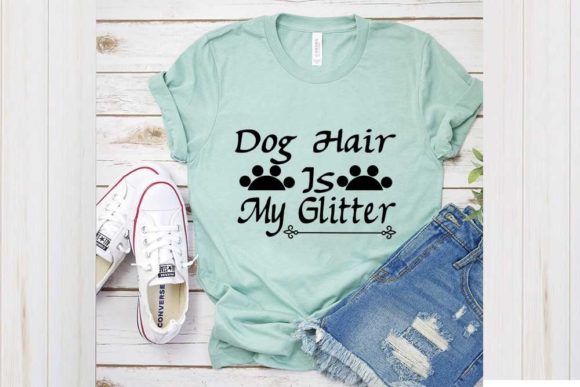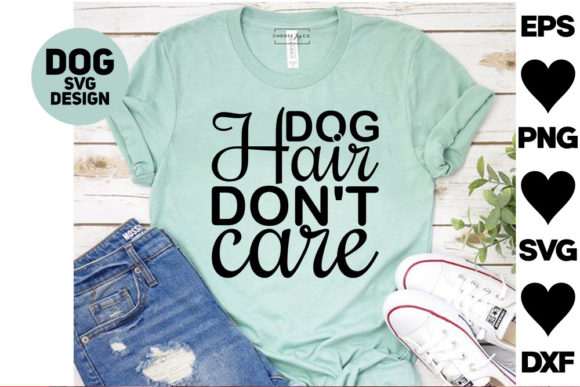
Dog Svg Design. Dog Hair Don’t Care
First Impressions: A Playful, Confident Vibe That Fits Real Life
When I opened the Dog Svg Design. Dog Hair Don’t Care files, I didn’t just see letters and a silhouette—I saw attitude. The design balances bold, clean lines with a relaxed, slightly cheeky energy. It’s not overly detailed or fussy, which is exactly what makes it work so well for embroidery. The dog shape is simplified but expressive—recognizable at a glance, friendly without being cutesy, and confident without crossing into sarcasm. That “Don’t Care” spirit translates visually: generous spacing between letters, consistent stroke weight, and a layout that breathes on fabric instead of crowding it.
A Tote Bag Test: Where This Design Really Comes Alive
Last week, I stitched Dog Svg Design. Dog Hair Don’t Care onto a natural canvas tote for a local pet boutique’s summer launch. No frills—just black thread on unbleached cotton, medium-weight tear-away stabilizer underneath. The result? Instant charm. Customers smiled, paused, and reached for their phones to snap it. Why? Because the design held up beautifully at 4.5 inches wide—large enough to read from across the room, small enough to avoid distortion on the bag’s curved side seams. It didn’t fight the fabric texture; it leaned into it. That’s the sign of a smart machine embroidery design: it knows its limits and works within them.
Where It Shines (and Where It Needs Thought)
This isn’t a one-size-fits-all embroidery file. It excels on stable, medium-weight fabrics: sweatshirt fleece, denim totes, cotton tea towels, baby bodysuits, and structured aprons. On those surfaces, the lettering stays crisp, the dog outline reads clearly, and the overall rhythm feels handmade—not mass-produced.
But real-world use means real trade-offs. I’d hesitate to use Dog Svg Design. Dog Hair Don’t Care on ultra-thin baby onesies without adjusting stitch density first—it’s got presence, and that can overwhelm delicate fabric. Same goes for stretchy knits like lightweight t-shirts: unless you’re using cut-away stabilizer *and* hooping with care, the “Don’t Care” might pucker or skew. And on dark fabric? Test your thread contrast early. Light gray or cream thread can vanish on navy or charcoal unless you add a subtle underlay or switch to off-white.
Design Integrity in Action
What sets this apart from generic T-Shirt Designs is how thoughtfully it scales. I ran it at three sizes: 3", 4.5", and 6". At 3", the tail tip and lowercase “a” in “Care” started to lose definition—fine for a tiny embroidered patch on a cap, but risky for a main chest logo. At 6", the spacing stayed open and legible, but I noticed fill stitch areas thickening noticeably. That’s where your stitch density settings matter. If your machine defaults to high density, consider reducing it by 10–15% for smoother flow on textured surfaces like twill or terrycloth.
It also holds up surprisingly well in black-and-white mockups—no surprise, since its strength lies in shape and contrast, not gradients or fine detail. That makes it ideal for printable mockups, Etsy listings, and social previews where clarity trumps complexity.
For Craft Business Owners & Etsy Sellers: Trust, Not Just Trend
Your customers don’t buy slogans—they buy feeling. Dog Svg Design. Dog Hair Don’t Care taps into a warm, relatable truth for dog lovers: the joyful chaos of life with a furry friend. That emotional resonance builds trust faster than clever fonts ever could. When stitched cleanly on a linen pillow cover or a vintage-style sweatshirt, it reads as intentional, curated, and authentically handmade—not slapped on.
That authenticity directly impacts perceived value. A well-executed version sells as a boutique product, not a craft fair afterthought. But remember: your execution is part of the design. If you’re listing this as a digital embroidery file for others to use, clarify licensing upfront. If you’re stitching finished items for sale, confirm whether the original license covers commercial embroidery use—some SVG bundles do, some don’t.
Practical Notes Every Embroiderer Should Check
- Test first—always run Dog Svg Design. Dog Hair Don’t Care on scrap fabric matching your final project’s weight and stretch.
- Review stabilizer choice—tear-away for stable wovens, cut-away for knits or high-wear items like aprons or caps.
- Inspect corners and curves—the dog’s ear and the “g” in “Dog” are gentle arcs, but on dense fill, they can trap thread if tension isn’t balanced.
- Check thread color contrast on both light and dark backgrounds before committing to a full batch.
- Confirm hoop size compatibility—this design fits comfortably in a 5x7 hoop, but verify your digitized version (if converting from SVG) doesn’t exceed usable stitching area.
- Use it as a starting point—swap “Dog” for “Cat,” adjust the font weight, or pair it with a simple bone icon for a custom applique design.
Final Thought: A Reliable Workhorse, Not a Gimmick
Dog Svg Design. Dog Hair Don’t Care won’t win awards for technical complexity—but it wasn’t built to. It’s built to land. To make someone pause mid-scroll. To stitch cleanly on a busy Saturday morning. To hold up through washes, dog hair, and daily life. That’s the quiet power of a well-considered graphics asset: it serves the product, the person wearing it, and the maker behind the machine. Whether you’re prepping holiday embroidery, launching a new line of pet-themed kitchen towels, or building your portfolio of small shop product assets, this one earns its place—not because it’s flashy, but because it’s dependable, expressive, and genuinely fun to bring to life.