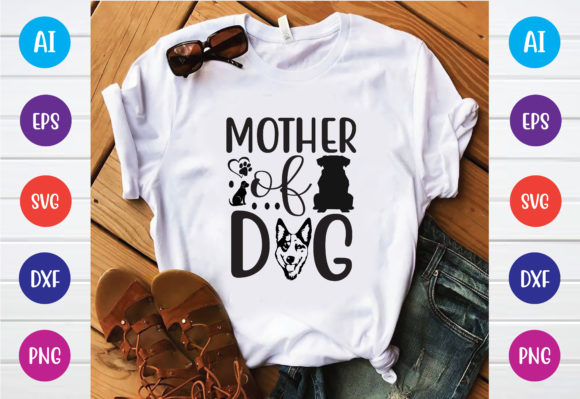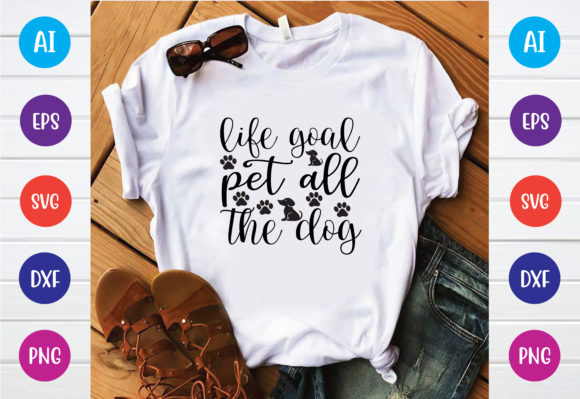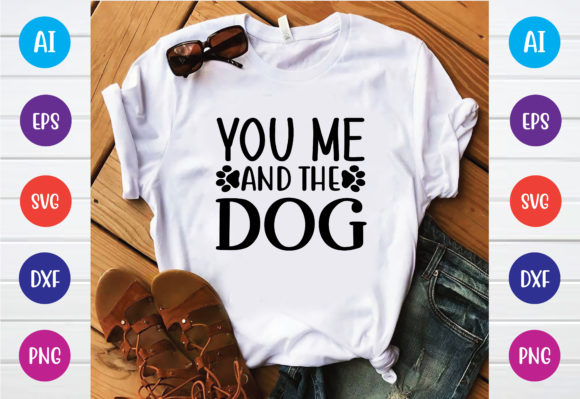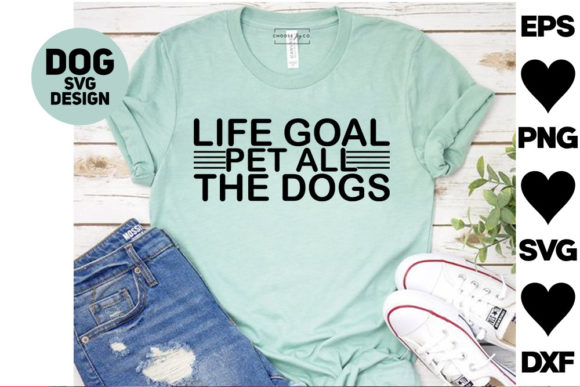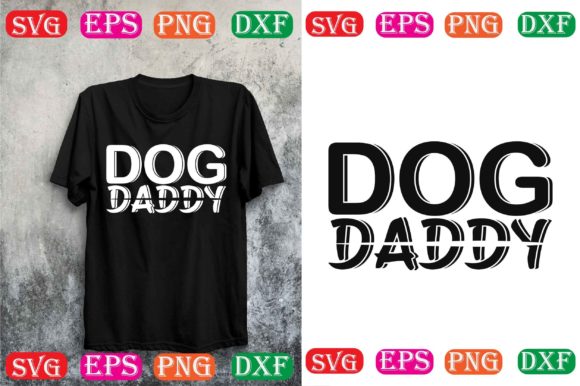
Dog Svg Design. Dog Daddy
First Impression: Warm, Bold, and Instantly Recognizable
Opening Dog Svg Design. Dog Daddy feels like flipping through a well-loved sketchbook—confident linework, balanced negative space, and that unmistakable “dad energy” wrapped in dog love. It’s not overly cutesy or cartoonish; it leans into friendly boldness with clean outlines and intentional weight in the lettering. The dog silhouette is stylized but legible at a glance—no confusing angles or ambiguous limbs—and “Dog Daddy” sits comfortably beneath it, spaced for readability without crowding. As a machine embroidery design, its visual personality immediately suggests casual apparel, personalized gifts, or small-batch boutique items—not fine art prints or delicate heirloom pieces. That’s important: this isn’t a whisper—it’s a warm, confident hello.
Real-Life Test Run: Embroidering a Linen Tote Bag for a Local Pet Boutique
Last week, I stitched Dog Svg Design. Dog Daddy onto a natural linen tote for a neighborhood pet shop’s summer launch. Why linen? Because it’s textured, slightly unstable, and unforgiving of poorly optimized stitch density—and because real customers expect durability, not just charm. I used medium-weight cutaway stabilizer, 40-weight polyester thread, and a size 75/11 needle. The result held up beautifully: crisp satin-stitched letters, smooth fill-stitched dog shape, and no puckering—even across the fabric’s subtle slub. Customers loved the tactile authenticity: it felt handmade, not mass-printed. That’s where Dog Svg Design. Dog Daddy shines—not as a generic graphic, but as a design that earns its place on functional, everyday items.
Where It Fits Best (and Where It Needs Extra Care)
- Strong matches: Sweatshirt embroidery, tote bag design, embroidered patch, baby embroidery (on onesies or burp cloths), aprons, pillow covers, and holiday embroidery like Father’s Day tees or dog-themed stocking stuffers.
- Good with caution: Caps and curved surfaces—test hoop placement first; thin fabrics like rayon challis need light stabilizer and possibly reduced stitch density; dark fabric benefits from white or cream thread contrast to keep the “Daddy” text legible.
- Less ideal for: Tiny hoops under 3” (the text shrinks fast), ultra-dense layered garments (like fleece-lined hoodies without proper backing), or highly stretchy knits unless stabilized aggressively. Also avoid using it as an applique design without modifying seam allowances—the current file appears outline- and fill-based, not layered for fabric appliqué.
What It Adds to Your Finished Product—Beyond Aesthetics
Dog Svg Design. Dog Daddy quietly elevates perceived value. On a custom apparel item, it reads as intentional—not trendy, but timelessly personal. For Etsy sellers and craft business owners, that builds trust: buyers recognize effort, clarity, and confidence in execution. It also supports brand consistency if you’re curating a line of pet-parent-themed goods—think matching mugs, patches, and sweatshirts all sharing that same grounded, affectionate tone. And yes, it boosts giftability: people don’t just buy “a dog shirt”—they buy a story, a connection, a shared inside joke. That emotional resonance is hard to replicate with generic clipart.
Design Notes Every Embroidery Professional Should Check
- Test on scrap fabric first—especially if stitching on textured, dark, or stretchy material. Linen, cotton duck, and midweight denim all behaved well; jersey did not without added stabilizer.
- Review stitch density before scaling. At 4.5”, the fill areas stayed breathable and flat. Shrinking below 3.5” risked overcrowded satin stitches—so adjust density manually if needed for smaller applications like cap fronts or baby bibs.
- Confirm hoop size compatibility. This embroidery file fits comfortably in a 5” x 7” hoop—but double-check your machine’s native format support (EPS PNG SVG DXF covers most workflows, though SVG may require conversion for older embroidery software).
- Inspect small details—particularly the inner curve of the dog’s ear and spacing between “g” and “D” in “Dog Daddy.” These hold up cleanly at standard sizes but blur if pushed too small.
- Test black-and-white mockups before finalizing thread colors. The design gains strength in high-contrast combos (navy + white, charcoal + mustard) but softens on low-contrast pairings like heather gray + light gray.
- Use proper stabilizer—cutaway for stable wovens, tear-away for lighter cottons, and fusible + cutaway for knits. Skipping this step risks distortion, especially around the horizontal bar of the “D.”
- Verify licensing terms before selling finished products or listing the digital embroidery file itself. Since the product description lists EPS PNG SVG DXF, assume it's intended for commercial embroidery use—but always confirm scope (e.g., unlimited physical items vs. limited digital resale).
Final Thought: A Reliable Workhorse, Not a One-Off Gimmick
Dog Svg Design. Dog Daddy won’t wow with photorealism or intricate scrollwork—but it doesn’t need to. What it delivers is consistency, clarity, and quiet confidence across real-world embroidery projects. It works equally well on a hand-stitched baby blanket and a batch of 50 custom sweatshirts for a rescue fundraiser. For designers, Etsy sellers, and small shop owners building a cohesive collection of T-Shirt Designs and Graphics, it’s the kind of versatile, emotionally resonant asset that earns repeat use—not just one seasonal run. Just remember: treat it like a trusted collaborator. Test it, tune it, and let it do what it does best—make people smile, nod, and say, “Yep. That’s my person.”