Born to Be Free ... Dog Svg Design
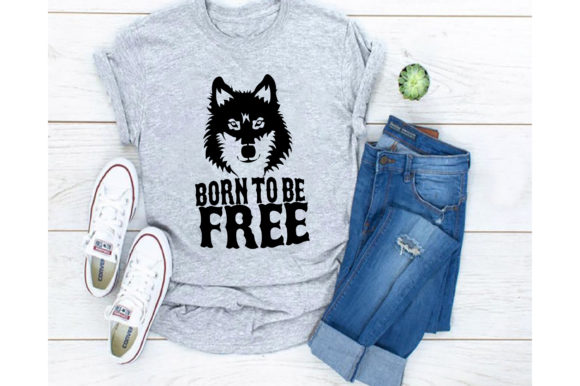
As a designer who’s stitched hundreds of custom pieces—from boutique baby onesies to Etsy best-selling tote bags—I opened Born to Be Free ... Dog Svg Design expecting charm, but what stood out immediately was its quiet confidence. It’s not loud or overly detailed; it’s a clean, spirited silhouette with soft curves, balanced negative space, and that subtle, handwritten “Born to Be Free” phrase looping gently beneath a stylized dog profile. The mood? Warm, free-spirited, grounded—not kitschy, not clinical. It feels like something you’d embroider on a linen tea towel for a dog lover’s kitchen, or stitch onto a lightweight cotton apron for a small-batch bakery owner who rescues hounds.
Last week, I prepped this design for a client’s limited-run embroidered tote bag—organic canvas, medium-weight, unbleached. I chose a matte black thread on natural fabric, and the result was exactly what the design promised: legible, relaxed, and quietly meaningful. No crowding. No visual fatigue. Customers noticed it right away—not because it shouted, but because it *belonged*. That’s rare in print templates meant for embroidery adaptation. This isn’t just a graphic; it’s a design that understands how stitch behaves.
Where It Shines (and Where It Asks for Thought)
Born to Be Free ... Dog Svg Design works beautifully on mid-to-large surface areas where breathing room supports its gentle rhythm: sweatshirt embroidery (left chest or back yoke), pillow covers, baby embroidery on crib blankets or onesie hems, and even holiday embroidery on linen napkins for a pet-friendly Christmas market stall. Its open layout avoids dense fill stitch traps, so it stitches cleanly across varied fabric textures—especially helpful for craft business owners juggling cotton twill, terry cloth, and lightweight denim.
It’s also a smart choice for embroidered patch creation. The outline is strong enough to hold shape when cut and fused, and the lettering has generous stroke width—no fragile serifs or hairline gaps that vanish under satin stitch. For Etsy sellers listing handmade product bundles, pairing this design with a matching printed tag (“Adopted with Love”) adds cohesion without overcomplicating production.
That said, it’s not ideal for every surface. Avoid tight hoop sizes under 4×4 inches—the dog’s ear and tail taper too finely for cramped stitching, risking skipped stitches or thread breaks on stretchy fabric. On curved surfaces like caps or structured hats, test placement first: the phrase’s gentle arc can distort if forced onto a steep crown curve. And while it reads well on dark fabric with high-contrast thread, avoid ultra-thin fabrics (like rayon challis) without backing—those delicate interior curves need stabilizer support to prevent puckering in the finished product.
What It Adds to Your Craft Business—and What It Doesn’t Promise
This design elevates perceived value without demanding premium time or materials. Unlike intricate machine embroidery designs requiring multiple color changes or dense underlay, Born to Be Free ... Dog Svg Design delivers clarity with efficiency. That matters when you’re pricing custom apparel for a local rescue fundraiser or building repeat orders from a small shop product line. Customers respond to its sincerity—it feels handmade, not mass-produced—even though it starts as a digital embroidery file.
It strengthens brand consistency for makers who lean into authenticity: think nursery decor shops using it across organic cotton swaddles and wooden wall art mockups, or coffee roasters embroidering it on burlap sacks for their “Rescue Roast” campaign. It doesn’t scream “trendy”—which means it won’t date quickly—and that builds long-term trust with buyers who want timeless, thoughtful design assets.
Practical Notes Every Embroidery Designer Should Check
- Test first—Always run Born to Be Free ... Dog Svg Design on scrap fabric matching your final project’s weight and stretch. Watch how the curve of the phrase settles on knit vs. woven.
- Stabilizer matters—Use medium tear-away for stable wovens; switch to cut-away for knits or textured fabrics like terry or fleece.
- Thread colors make or break it—Try it in charcoal gray on oatmeal linen, navy on cream canvas, or deep rust on taupe twill. Avoid low-contrast combos unless intentional (e.g., tonal embroidery for luxury baby items).
- Check stitch density—If converting from SVG to embroidery file, confirm fill areas aren’t over-stitched. Too much density = stiffness; too little = transparency on dark backgrounds.
- Review licensing—Since this is listed under Print Templates and Graphics, verify whether commercial embroidery rights are included before selling finished products or bundling it into digital embroidery kits.
- Mock it digitally—Drop it into printable mockups at different scales. Does the dog’s nose still read clearly at 2.5 inches wide? Does the phrase lose rhythm when scaled down for a cap front?
Bottom line: Born to Be Free ... Dog Svg Design earns its place in your embroidery project queue not because it’s flashy, but because it’s considerate—of fabric, of stitch, of customer emotion, and of your time as a maker. It’s the kind of design that makes people pause, smile, and say, “I know someone who’d love this.” And in a crowded craft marketplace, that’s not just practical—it’s powerful.